

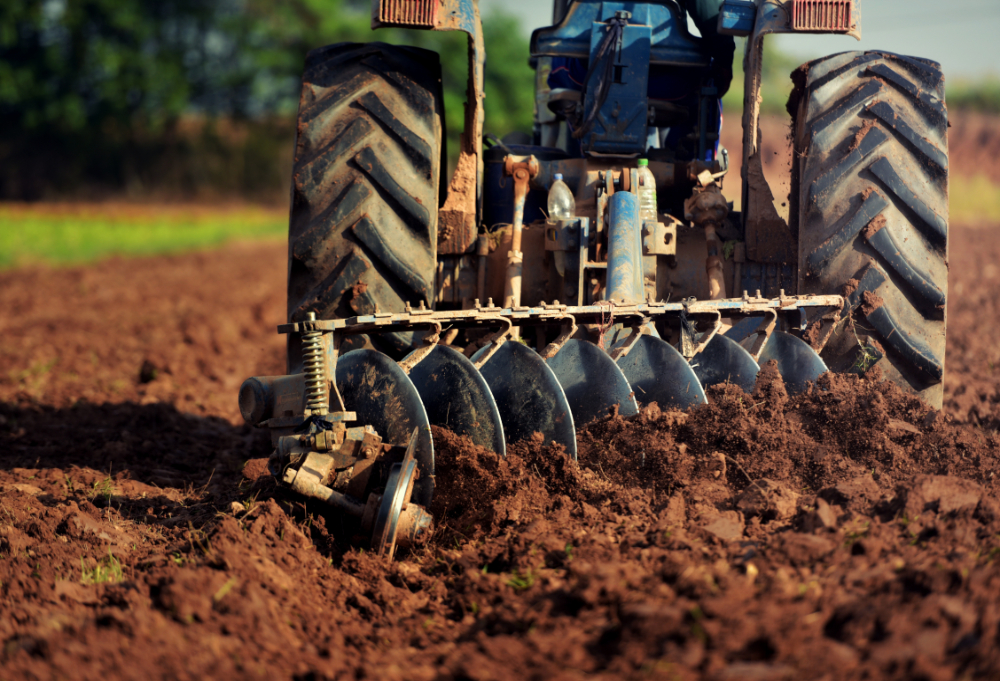
If you own a home on acreage outside Piqua, near Troy, Sidney, or elsewhere in Miami County, your HVAC system faces challenges that many suburban homeowners never have to think about. During planting, harvesting, and even routine field work, airborne dust, pollen, chaff, and debris can put extra strain on heating and cooling equipment.
For rural property owners, a successful HVAC installation plan is not just about choosing the right equipment size. It is also about protecting that investment from the environmental conditions that come with country living.
Farm dust and field debris near rural properties can significantly affect HVAC performance, equipment lifespan, indoor air quality, and maintenance requirements. Proper HVAC installation in rural areas should include strategic equipment placement, enhanced filtration, duct sealing, and preventative maintenance to reduce the impact of agricultural dust and debris. In and around Piqua, these considerations often play a major role in long-term system reliability.
What Rural Homeowners Around Miami County Should Know
- Farm dust HVAC concerns in Piqua are real because nearby agricultural activity can increase airborne particles around homes throughout much of the year.
- Proper rural property HVAC installation includes more than equipment sizing. Location, filtration, and airflow design matter just as much.
- Field debris can clog outdoor condenser coils, restrict airflow, and reduce system efficiency.
- Better filtration and indoor air quality solutions can help reduce dust, pollen, and contaminants inside country homes.
- Preventative maintenance is especially important for homes located near active farm fields and gravel roads.
Why Agricultural Conditions Matter for Local HVAC Systems
Agricultural land surrounds much of the Piqua area, including properties along State Route 66, County Road corridors, and rural sections between Troy and Sidney. During planting and harvest seasons, farm equipment can stir up large amounts of dust that travel well beyond field boundaries.
Homes situated on larger lots often experience more exposure to airborne particles than properties in denser residential neighborhoods. Combined with Ohio’s seasonal pollen cycles and changing weather patterns, rural HVAC systems frequently work in more demanding conditions.
At AllSeasons HVAC, we regularly help homeowners across Miami County address installation concerns that are unique to rural properties. We have found that planning for dust exposure during installation often prevents expensive performance issues later.
Farm dust and field debris affect HVAC systems by increasing filter loading, restricting airflow, contaminating coils, and contributing to indoor air quality concerns. Rural homes near active agricultural operations often require installation strategies that differ from those used in suburban developments.
Local conditions around Piqua, Troy, Sidney, and surrounding communities make filtration, equipment placement, and maintenance planning especially important for long-term HVAC performance.
Rural HVAC Challenges Across Miami County
Equipment Placement Matters More Than Many Homeowners Realize
Proper equipment placement for rural property HVAC installation helps reduce dust exposure and improve long-term system performance. Positioning outdoor units away from prevailing winds, active fields, and high-traffic gravel areas can significantly reduce debris accumulation.
Properties near cultivated acreage often benefit from carefully selecting condenser locations that provide airflow while limiting direct exposure to airborne contaminants. Elevating equipment can also help reduce debris buildup during wet conditions and seasonal field activity.
Filtration Requirements Are Different Near Agricultural Areas
Enhanced filtration is often necessary for rural homes because standard filters may become overloaded more quickly when exposed to farm dust and field debris. Higher-quality filtration can help protect equipment while improving indoor air quality.
Many country homeowners are surprised by how much airborne material enters a home through normal HVAC operation. Proper filter selection should balance particle capture with airflow requirements to avoid placing unnecessary strain on the system.
Duct Sealing Plays a Critical Role
Proper duct sealing helps prevent dust infiltration and protects conditioned air from escaping into unconditioned spaces. Rural homes with crawlspaces, basements, barns, workshops, or detached structures may face additional air leakage concerns.
Even small duct leaks can allow dust and contaminants to enter the system, reducing efficiency and increasing cleaning requirements over time.
A Closer Look at Local Conditions
According to the Ohio Department of Agriculture, farming remains a major part of the regional economy throughout Miami County and surrounding areas. Agricultural operations contribute to seasonal dust generation during planting, cultivation, and harvest activities.
Field observations from local HVAC service calls consistently show heavier filter loading and coil contamination in homes located adjacent to active farmland compared to homes in more densely developed neighborhoods.
How Farm Dust Impacts Comfort, Efficiency, and Indoor Air Quality
Farm dust affects HVAC performance by restricting airflow, reducing efficiency, and increasing wear on critical components. The more dust that accumulates within filters and coils, the harder the system must work to maintain indoor comfort.
For homeowners with pets, allergies, or respiratory sensitivities, indoor air quality concerns can become even more noticeable. Dust, pollen, mold spores, and other contaminants may circulate throughout the home if filtration and maintenance are not properly addressed.
Higher energy consumption, uneven temperatures, and more frequent service calls are common consequences of unmanaged dust exposure.
Expert Perspective From Local HVAC Professionals
Rural properties require a different installation mindset than many residential subdivisions. We often recommend looking beyond equipment brand selection and focusing on environmental factors that affect performance every day.
Our experience throughout western Ohio has shown that proactive design decisions made during installation can help reduce maintenance costs and extend equipment life. Small adjustments to equipment placement, filtration strategy, and duct design often provide significant long-term benefits.
Warning Signs That Farm Dust Is Affecting Your HVAC System
Farm dust may be affecting your HVAC system if you notice excessive dirt accumulation, declining airflow, or increased maintenance requirements. These symptoms often develop gradually and become more noticeable over time.
Common warning signs include:
- Filters becoming dirty unusually quickly
- Visible dust buildup around supply vents
- Reduced airflow from registers
- Increased allergy or dust complaints indoors
- Outdoor condenser coils covered with debris
- Rising utility bills without obvious explanation
- Frequent HVAC cycling
- Uneven temperatures throughout the home
Waiting too long to address these issues can increase equipment wear and reduce overall system efficiency.
When Professional HVAC Guidance Is Worth It
Professional HVAC evaluation is recommended whenever a property sits near active farmland, experiences excessive dust exposure, or is undergoing a new HVAC installation. While homeowners can monitor filter condition and keep outdoor equipment clear of obvious debris, system design decisions should be made by qualified professionals.
Rural conditions can influence airflow requirements, filtration choices, equipment placement, and maintenance planning. Addressing these factors during installation is usually far more cost-effective than correcting problems later.
Common Causes of HVAC Dust Problems Near Agricultural Properties
Farm dust exposure is usually caused by a combination of environmental conditions and installation factors. The most common causes include nearby field activity, gravel roads, seasonal harvesting operations, poor filtration, and duct leakage.
Other contributing factors include:
- Outdoor units located too close to open fields
- Inadequate filtration systems
- Poorly sealed ductwork
- Wind patterns carrying debris toward equipment
- Lack of preventative maintenance
- Aging HVAC components
Many of these issues can be addressed during installation planning.
Preventing Dust-Related HVAC Problems
Preventing dust-related HVAC problems requires a combination of smart installation practices and ongoing maintenance. Homeowners can reduce risk by replacing filters regularly, keeping vegetation trimmed around equipment, and scheduling professional inspections.
For rural Ohio properties, we often recommend:
- Enhanced filtration systems
- Proper condenser placement
- Elevated equipment when appropriate
- Professional duct sealing
- Seasonal maintenance inspections
- Indoor air quality upgrades
What Results Can Homeowners Expect?
Properly designed rural HVAC installations can improve airflow, efficiency, indoor comfort, and equipment longevity. While every property is different, homeowners often notice cleaner indoor air, more consistent temperatures, and fewer maintenance-related issues.
Long-term benefits may also include reduced strain on system components and improved energy performance throughout the year.
Local Insight
Many rural homeowners focus primarily on equipment efficiency ratings when selecting a new system. In agricultural areas, installation quality, filtration strategy, and equipment placement can be just as important as the equipment itself.
Common Mistakes Rural Property Owners Make
One common mistake is treating a rural HVAC installation exactly the same as a suburban installation. This approach often overlooks environmental conditions that affect long-term performance.
Other mistakes include:
- Choosing filtration based solely on price
- Ignoring duct leakage
- Delaying maintenance
- Installing equipment too close to dust sources
- Waiting until comfort issues become severe
A more proactive approach usually produces better results and lower long-term ownership costs.
A Common Local Scenario
A common local scenario involves a homeowner who moves from a subdivision to a larger property outside town. Their previous HVAC system required minimal maintenance, so they expect similar results in the country.
After several seasons near active farmland, they notice increased dust accumulation, more frequent filter changes, and reduced airflow. A professional evaluation often identifies opportunities for filtration upgrades, equipment protection, and maintenance adjustments that better fit the property’s environment.
HVAC Solutions That Help Rural Homeowners
The best HVAC solutions for rural properties combine proper installation practices with ongoing maintenance and indoor air quality improvements. Services that commonly help include new HVAC installation, preventative maintenance programs, duct sealing, filtration upgrades, and indoor air quality enhancements.
Many homeowners also benefit from advanced air purification systems designed to address dust, pollen, mold spores, and airborne contaminants.
One solution we frequently recommend is the REME HALO air purification system. It can be a valuable addition for households concerned about farm dust, allergens, and indoor air quality challenges associated with country living.
We service all brands and help homeowners choose solutions based on property conditions rather than manufacturer limitations.
Comparing Your HVAC Options
Comparing HVAC options for rural properties involves balancing initial investment with long-term performance. Standard installations may work adequately in some locations, but enhanced filtration, improved placement, and air quality upgrades often provide greater value for homes exposed to agricultural dust.
Preventative maintenance is generally more affordable than dealing with repeated breakdowns and efficiency losses caused by contamination.
Serving Rural Communities Throughout the Region
We proudly serve homeowners throughout Piqua, Troy, Sidney, Miami County, and nearby rural communities. Our familiarity with local agricultural conditions helps us design and maintain HVAC systems that perform well in real-world country environments.
Because we live and work here, we understand the challenges that rural property owners face throughout the year.
The Cost of Ignoring Dust Exposure
Ignoring farm dust exposure can lead to reduced efficiency, increased energy costs, premature equipment wear, and more frequent repairs. Over time, restricted airflow and contaminated components place additional strain on heating and cooling systems.
Addressing dust concerns early is typically less expensive than replacing damaged equipment or dealing with repeated service interruptions.
FAQ
How does farm dust affect HVAC systems in Piqua?
Farm dust can clog filters, coat coils, reduce airflow, and increase system wear. Properties located near active agricultural operations often experience higher levels of airborne particles throughout the year.
Does rural property HVAC installation require special equipment?
Not always. Most rural homes can use standard HVAC equipment, but installation practices, filtration choices, and placement strategies often need to be adjusted for local conditions.
What is the best filtration option for rural homes?
The best filtration option depends on system design and indoor air quality goals. A professional assessment can determine the appropriate balance between filtration efficiency and airflow.
Can field debris damage an air conditioning system?
Yes. Field debris can restrict condenser airflow, contribute to coil contamination, and increase operating stress on the equipment if left unaddressed.
What are the Piqua farm dust effects on furnace performance?
Farm dust can accumulate on components, reduce airflow, and increase maintenance requirements. Dirty filters are one of the most common contributors to furnace performance issues.
How often should rural homeowners schedule HVAC maintenance?
Most rural homeowners benefit from professional HVAC maintenance at least twice per year. Properties with heavy dust exposure may require additional attention.
Is REME HALO helpful for farm dust and allergens?
REME HALO systems are often used to improve indoor air quality by addressing airborne contaminants such as dust, pollen, and mold-related particles.
Why is HVAC maintenance important in rural Ohio?
HVAC maintenance rural Ohio homeowners receive helps address environmental conditions that can accelerate filter loading, component contamination, and efficiency loss.
Local agricultural conditions create unique demands on HVAC systems. At AllSeasons HVAC, we understand the realities of maintaining comfort in country homes throughout Miami County and the surrounding communities. Our goal is to help homeowners protect their investment while improving comfort and indoor air quality.
Protect Your Rural HVAC Investment
Whether you’re planning a new installation or looking to improve an existing system, understanding how farm dust and field debris affect HVAC performance can help you make better long-term decisions. Our local team provides practical solutions tailored to rural properties, backed by local experience, 24/7 emergency service, preventative maintenance programs, and indoor air quality expertise.