

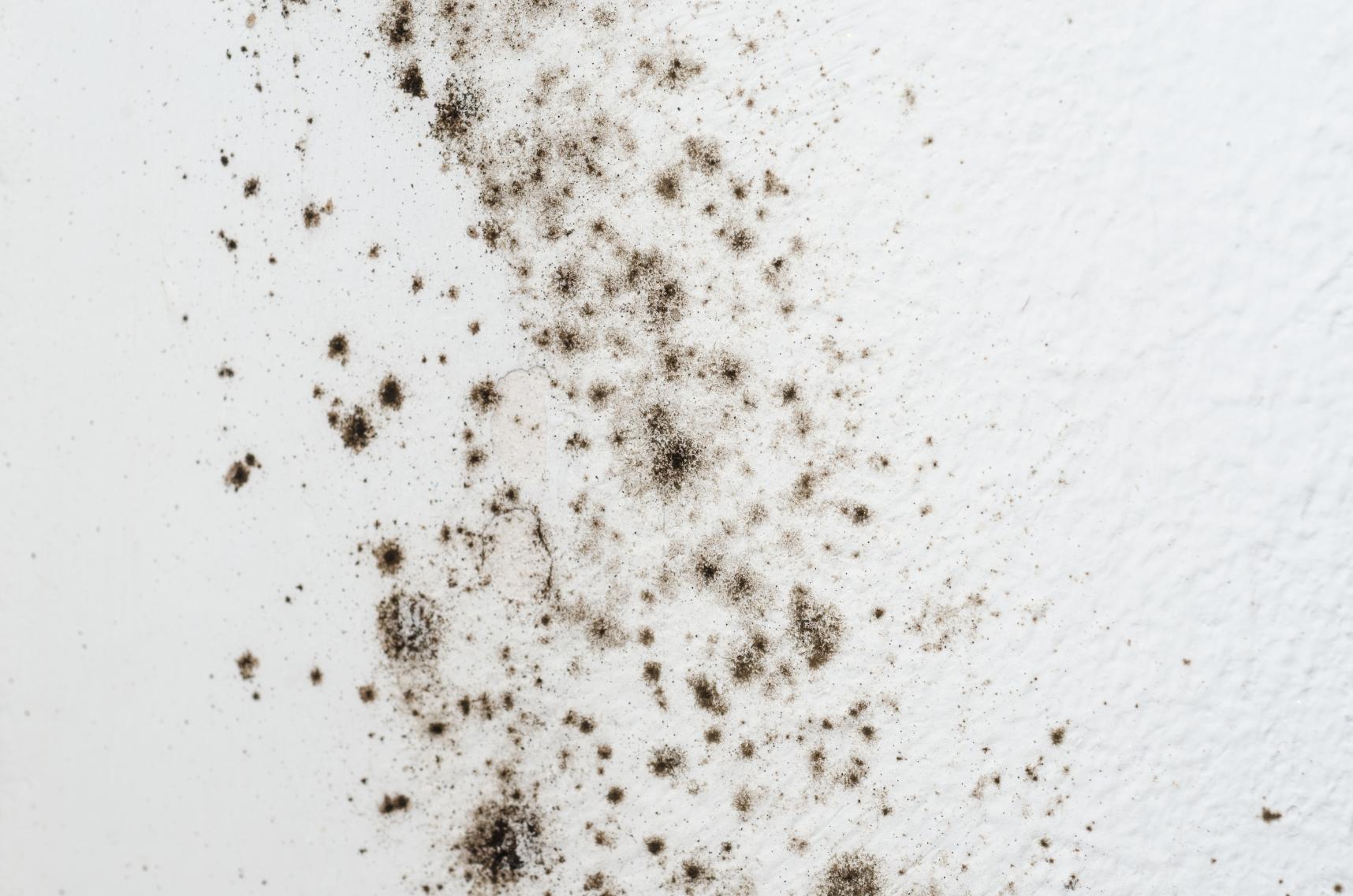
Spring in Piqua can create an awkward stretch for home comfort systems. The furnace may stop running regularly before the air conditioner takes over for summer, leaving the HVAC system relatively dormant while outdoor moisture, spring rain, and changing temperatures create conditions where condensation can become a concern.
The hidden problem is that moisture inside an HVAC system may not be obvious from the living room. A damp cooling coil area, condensate pan, duct liner, or other component can support mold growth before a homeowner realizes something is wrong.
Quick answer: Mold can develop in or around a dormant HVAC system when moisture accumulates and remains on surfaces long enough to support growth. The U.S. Environmental Protection Agency identifies moisture control as the key to mold control and notes that high relative humidity and condensation can indicate mold-growth potential in ductwork. Before Piqua homeowners start cooling equipment for the season, inspecting moisture-prone HVAC components can help identify problems before air begins circulating throughout the house.
What local homeowners should know
-
Spring is a useful time to inspect an HVAC system because moisture problems can develop while equipment is seeing limited operation.
-
Piqua’s location in Miami County and along the Great Miami River places local homes in a region accustomed to wet spring weather and changing seasonal conditions.
-
Condensate pans, cooling coils, drain lines, duct insulation, and other damp HVAC surfaces deserve particular attention.
-
A musty smell when the system first starts is worth investigating rather than simply masking with an air freshener.
-
Suspected mold inside an HVAC system is different from ordinary household dust and may require professional evaluation.
Why Does Spring Humidity Create a Mold Risk Inside a Dormant HVAC System?
Spring humidity creates a mold risk when moisture reaches HVAC surfaces and is not removed quickly enough, particularly during periods when regular heating or cooling is not helping control indoor conditions. Condensation, drainage problems, leaks, and damp materials can all provide the moisture mold needs.
The EPA recommends keeping indoor relative humidity below 60 percent and ideally between 30 and 50 percent when possible. It also identifies condensation and high relative humidity as indicators of potential mold growth in ducts.
That guidance is especially relevant during southwest Ohio’s transition from heating season to cooling season. Homes near the Great Miami River corridor, properties around downtown Piqua, and houses throughout Miami County all experience the same basic seasonal handoff: heating demand falls, cooling demand has not fully arrived, and the HVAC system may spend long periods idle.
AllSeasons HVAC helps local property owners evaluate heating and cooling equipment when seasonal moisture, drainage, airflow, or equipment concerns appear. After that first inspection, we can help determine whether the HVAC system itself is contributing to the moisture problem.
What Does Public Guidance Say About Moisture and HVAC Mold?
Public guidance consistently identifies moisture control as the primary way to prevent mold growth in HVAC equipment and duct systems. The EPA specifically advises paying attention to cooling coils, condensate pans, drainage, wet insulation, duct sealing, and condensation when investigating potential HVAC moisture problems.
The EPA also notes that an HVAC system associated with a moisture problem can become a site of mold growth and potentially distribute contamination through a building. That is why suspected HVAC mold deserves more attention than a dark spot that can simply be wiped away.
For Piqua homeowners, the practical lesson is straightforward: focus on why moisture is present. Cleaning a surface without correcting a blocked drain, condensation problem, leak, or other moisture source can allow the same conditions to return.
How Can HVAC Mold Affect a Piqua Home?
HVAC mold can become a broader household concern because the system moves air through rooms that may otherwise have little connection to the original moisture source. The immediate priorities are finding the moisture, determining what material is affected, and avoiding unnecessary circulation if significant contamination is suspected.
A problem near an air handler, cooling coil, return, or duct system may affect more than one isolated mechanical component. Moisture can also contribute to corrosion, damaged insulation, drainage trouble, and reduced confidence that the equipment is ready for summer operation.
This matters before warmer weather settles into the Great Miami River valley. Discovering a moisture problem during the first sustained cooling demand can turn a planned spring startup into an inconvenient service call.
What Are the Warning Signs of Moisture or Mold Inside an HVAC System?
Warning signs of HVAC moisture or possible mold include persistent musty odors, visible growth, standing water, wet insulation, and recurring condensation around system components. One sign does not automatically prove mold is present, but several symptoms together justify closer inspection.
Watch for:
-
A musty or earthy odor that becomes noticeable when the blower starts.
-
Visible dark, fuzzy, spotted, or discolored material around accessible HVAC components.
-
Standing water or heavy debris in or around the condensate pan.
-
Water staining near the furnace, air handler, supply plenum, or nearby flooring.
-
Damp or deteriorating insulation around accessible ductwork.
-
Condensation appearing repeatedly on ducts or mechanical surfaces.
-
A condensate drain that appears clogged, slow, or unable to drain normally.
-
Odors that return after surface cleaning.
Homeowners should also avoid assuming every dark substance is mold. The EPA notes that visual appearance alone may not provide a definitive identification.
When Should You Call a Professional for Suspected HVAC Mold?
Call a professional when suspected mold is inside HVAC equipment or ducts, when moisture keeps returning, when drainage components are not working correctly, or when the source cannot be safely identified from accessible areas. HVAC systems contain electrical, mechanical, drainage, and airflow components that should not be dismantled casually.
A Piqua homeowner can safely look around accessible equipment for water, staining, odors, or obvious drain problems without taking the system apart.
The threshold changes when suspected contamination is inside the equipment or duct system. EPA guidance advises against operating an HVAC system when you know or suspect it is contaminated with mold because operation could distribute mold through the building.
For significant mold contamination or health-related questions, an appropriate mold remediation or health professional may also be necessary. HVAC service addresses the mechanical system and moisture conditions within its scope, but it should not be confused with laboratory mold identification or medical advice.
What Common HVAC Problems Can Allow Mold-Friendly Moisture to Develop?
The most common HVAC-related causes are drainage failures, condensation, wet insulation, leaks, and inadequate moisture control. In Piqua, these problems can become easier to overlook during spring because the system may operate intermittently instead of running consistently every day.
1. Condensate drainage problems
A clogged or poorly draining condensate line can leave water where it should not remain. Drain pans also need to drain correctly rather than becoming reservoirs for standing water.
2. Moisture around cooling coils
Cooling coils remove moisture from air during normal air-conditioning operation. The EPA identifies the coil area as an important place to inspect because drainage or moisture problems there can contaminate nearby system components.
3. Condensation on ductwork
Warm, humid air contacting a sufficiently cold surface can create condensation. Improperly insulated or sealed ductwork can therefore become vulnerable to unwanted moisture.
4. Wet duct insulation
Fibrous insulation can retain moisture after it becomes wet. The EPA advises that wet or mold-contaminated internal duct insulation may require replacement rather than conventional cleaning.
5. Building moisture entering the HVAC environment
Basement dampness, leaks, wet building materials, and high indoor humidity can create conditions that extend beyond the equipment itself. This can be relevant in homes across Piqua and nearby communities such as Troy, Covington, and Sidney.
How Can Piqua Homeowners Reduce the Risk Before Cooling Season?
Piqua homeowners can reduce spring HVAC moisture risk by checking drainage, monitoring indoor humidity, inspecting accessible equipment, replacing dirty filters as appropriate, and scheduling service before heavy cooling demand begins. Prevention is primarily about keeping HVAC components clean, dry, properly drained, and ready to manage summer moisture.
Safe spring checks include looking around the indoor equipment for water stains, checking for unusual odors, monitoring indoor humidity with a hygrometer, and noticing visible condensation.
The EPA recommends maintaining indoor relative humidity below 60 percent when possible, with 30 to 50 percent identified as an ideal range.
Do not remove panels or reach into equipment unless you are qualified to do so. A spring HVAC inspection can evaluate components that homeowners cannot safely or easily see.
What Results Should You Expect After the Moisture Source Is Corrected?
Correcting the moisture source should leave the HVAC system better positioned to remain dry and operate normally, but the exact result depends on what became wet and whether materials were damaged or contaminated. Drainage problems may be repairable, while some wet or mold-affected materials may need replacement.
The important distinction is between treating a symptom and correcting its cause.
If a condensate drain is blocked, cleaning visible residue without restoring drainage does not solve the underlying problem. Likewise, repeatedly wiping condensation from a duct does not address why condensation is forming.
A proper evaluation should focus on both the affected area and the condition allowing moisture to persist.
What Mistakes Make HVAC Moisture Problems Worse?
The biggest mistakes are ignoring moisture, assuming every odor is harmless, running potentially contaminated equipment, and cleaning visible material without correcting its water source. These shortcuts can allow a manageable spring problem to remain hidden until cooling season.
Mistake: Ignoring standing water.
Consequence: Moisture remains available inside or around the equipment.
Better approach: Determine why the pan, drain, or surrounding area is wet.
Mistake: Spraying fragrance into vents.
Consequence: The odor may be covered temporarily while its source remains.
Better approach: Investigate recurring musty odors.
Mistake: Assuming dark material is definitely mold.
Consequence: Homeowners may choose an inappropriate response.
Better approach: Have questionable contamination properly evaluated when identification matters.
Mistake: Turning the system on to “blow it out.”
Consequence: A contaminated HVAC system may distribute material through the building.
Better approach: Have suspected HVAC contamination evaluated before normal operation.
What Is a Common Spring Scenario in a Piqua Home?
A common local scenario is a home reaching late spring after several weeks of limited HVAC operation, only for the homeowner to notice a musty odor during the first substantial air-conditioning cycle. That situation does not automatically mean the duct system is filled with mold, but it warrants investigation.
An inspection might begin with the accessible air handler or furnace area, cooling coil, condensate pan and drain, filter area, and visible duct connections. The goal is to identify moisture, drainage problems, wet materials, or another source before deciding what service is appropriate.
This is a representative scenario, not a specific AllSeasons HVAC customer case.
Which HVAC Services Can Help Address the Problem?
HVAC inspection, seasonal maintenance, drainage service, airflow evaluation, and repair of moisture-producing equipment problems can help address conditions associated with HVAC mold risk. The correct service depends on whether the underlying problem involves condensation, drainage, damaged components, duct conditions, or another moisture source.
We can inspect the mechanical system for conditions within the HVAC scope and explain what needs attention before regular cooling operation resumes.
If extensive mold remediation, laboratory identification, or work outside the HVAC system is necessary, homeowners may need an appropriately qualified specialist for that portion of the problem.
Is DIY Inspection or Professional HVAC Service the Better Option?
DIY inspection works best for basic observation, while professional HVAC service is appropriate when the suspected problem is inside equipment, involves recurring moisture, or requires panels and components to be opened. The safest choice depends on how accessible the suspected moisture source is.
Homeowners can monitor humidity, look for accessible water, check for obvious staining, and pay attention to odors.
Professional service can go further by examining HVAC drainage, coil areas, accessible internal components, and system conditions that require technical knowledge.
If significant mold contamination is confirmed outside the normal scope of HVAC service, remediation professionals may also be required.
Where Does AllSeasons HVAC Provide Local HVAC Help?
Our local HVAC service supports homeowners in Piqua and can address heating and cooling concerns throughout the surrounding service area where available. Nearby Miami County communities include Troy and Covington, while Sidney lies north of the county along the broader Great Miami River corridor.
For exact service-area availability outside Piqua, contact us before scheduling.
What Can Happen If You Ignore Moisture Inside the HVAC System?
Ignoring HVAC moisture can allow drainage problems, wet materials, corrosion, or mold-friendly conditions to continue and may make the eventual repair more involved. Waiting until Piqua reaches sustained summer cooling weather can also mean discovering the problem precisely when reliable air conditioning matters most.
The goal is not to treat every musty smell as an emergency. It is to recognize that persistent moisture inside HVAC equipment deserves attention.
Spring provides an opportunity to investigate while temperatures are still transitioning and before the system faces regular summer demand.
FAQ
Can mold really grow inside an HVAC system in Piqua during spring?
Yes, mold can grow on suitable materials when enough moisture is present, including in HVAC systems affected by condensation, high humidity, leaks, or drainage problems. Spring’s changing temperatures and periods of limited system operation make moisture inspection worthwhile for Piqua homeowners preparing to switch from heating to regular air conditioning.
What indoor humidity level should Piqua homeowners watch for?
The EPA recommends keeping indoor relative humidity below 60 percent and ideally between 30 and 50 percent when possible. A simple humidity meter can help Piqua homeowners identify periods when indoor moisture is elevated, although humidity readings alone cannot determine whether mold exists inside an HVAC system.
Does a musty smell from my vents mean I have mold?
No, a musty vent odor does not by itself prove that mold is present. Odors can have several sources, but a recurring musty smell during HVAC operation deserves investigation, particularly when it appears alongside standing water, visible moisture, wet insulation, or other signs of a moisture problem.
Should I run my Piqua home’s air conditioner if I suspect HVAC mold?
Do not run the system if you know or strongly suspect that the HVAC system itself is contaminated with mold. EPA guidance warns that operating a contaminated system could spread mold through the building. Have the situation evaluated so the moisture source and affected components can be identified before normal operation resumes.
Are Piqua homes near the Great Miami River automatically more likely to have HVAC mold?
No, proximity to the Great Miami River does not automatically mean a home will develop mold inside its HVAC system. Mold risk depends on moisture conditions within the building and equipment. The river is an important local geographic feature, but HVAC drainage, condensation, leaks, humidity, and maintenance are more useful factors to investigate.
Can I clean mold from HVAC ducts myself?
DIY duct cleaning is generally not the right starting point when mold is suspected inside an HVAC system. The EPA notes that substances resembling mold may require expert identification and that wet or moldy internal duct insulation cannot be effectively cleaned in the same way as hard surfaces. Correcting the moisture source is essential.
When should Miami County homeowners schedule a spring HVAC inspection?
Scheduling before sustained cooling demand begins gives homeowners an opportunity to identify drainage, moisture, and equipment problems before the air conditioner is needed every day. Miami County weather can shift from heating needs to warmer conditions quickly, so spring maintenance is a practical time to check whether the system is ready.
Will replacing my HVAC filter solve a mold problem?
No, replacing a filter does not correct mold growth or the moisture source that allowed it to develop. A clean filter is part of normal HVAC maintenance, but standing water, condensation, wet insulation, leaks, or drainage failures still need to be addressed if they are contributing to moisture inside the system.
Protect Your Piqua Home Before Cooling Season Starts
Spring moisture does not have to become a summer HVAC surprise. Paying attention to drainage, condensation, indoor humidity, unusual odors, and visible moisture can help Piqua homeowners identify a developing problem while there is still time to address it before sustained cooling demand arrives.
We can inspect HVAC-related moisture concerns, identify mechanical or drainage problems within our scope, and help you understand the next appropriate step.
Start Summer With a Dry, Ready HVAC System
Addressing moisture problems before regular cooling season can help protect your equipment and give you greater confidence when warmer weather reaches Piqua.